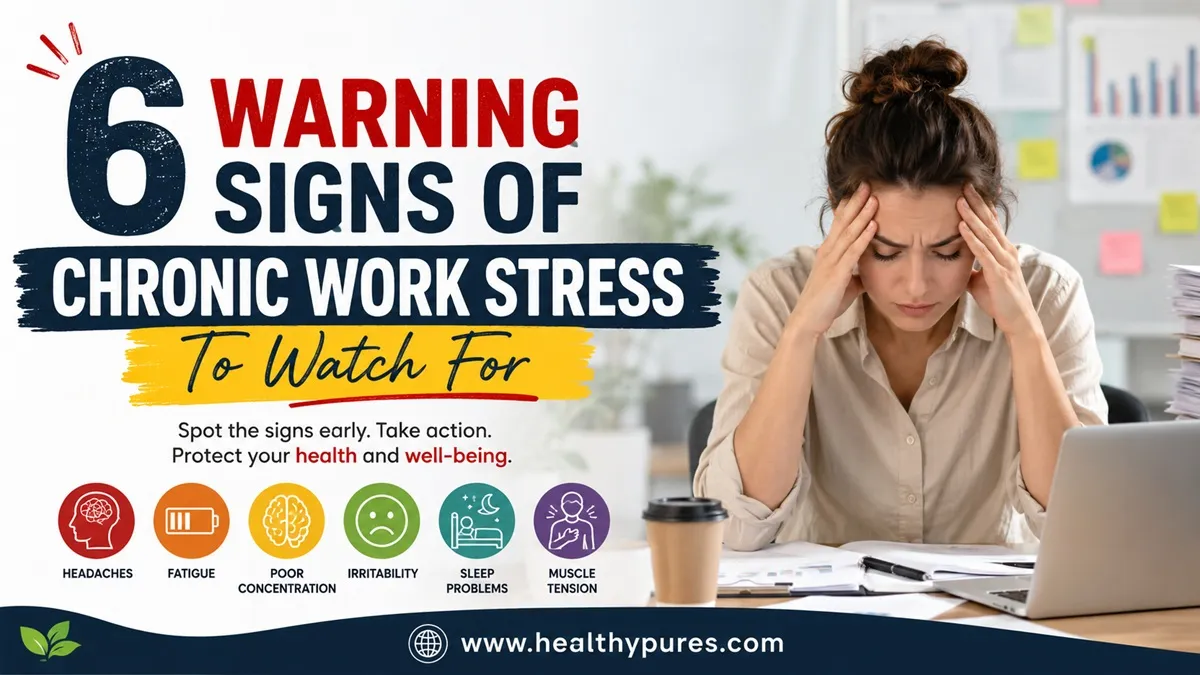
Many of us experience demanding work periods, but for an increasing number, the pressure never truly subsides, evolving into a persistent, pervasive challenge. This constant pressure takes a toll, often without us fully realizing it until its effects become undeniable. As a clinical dietetics expert, I’ve seen firsthand how unaddressed work demands silently erode well-being, manifesting in distinct signs of chronic work stress that demand our attention. We will explore the crucial indicators to help you recognize when work-related pressure has crossed the line from temporary challenge to enduring health threat, empowering you to take proactive steps.
Understanding Chronic Work Stress: What It Is
Distinguish between acute, temporary stress and chronic, prolonged stress, emphasizing the body’s inability to recover from sustained activation. Explain the physiological response to prolonged stress, including the sustained release of cortisol and its detrimental long-term effects on various bodily systems.
The Difference Between Acute And Chronic Stress
Acute stress is the body’s immediate “fight or flight” response to a perceived threat, which is usually short-lived and resolves once the threat passes. It is a natural and often beneficial reaction to immediate danger.
Chronic work stress, conversely, is a sustained state of physiological and psychological activation, where the body’s stress response remains constantly “on” due to ongoing workplace pressures. This prolonged activation prevents the body from returning to a state of calm and repair.
Why Work Is A Prime Catalyst For Chronic Stress
Modern workplace factors such as relentless deadlines, high demands, job insecurity, poor work-life balance, and lack of control significantly contribute to persistent stress. These pressures keep the body in a perpetual state of alert, making it difficult to relax or fully recover.
These factors create an environment where the early signs of chronic work stress are almost inevitable for many individuals. The constant demand without adequate recovery time erodes both mental and physical health.
Physical Manifestations: When Your Body Speaks Up
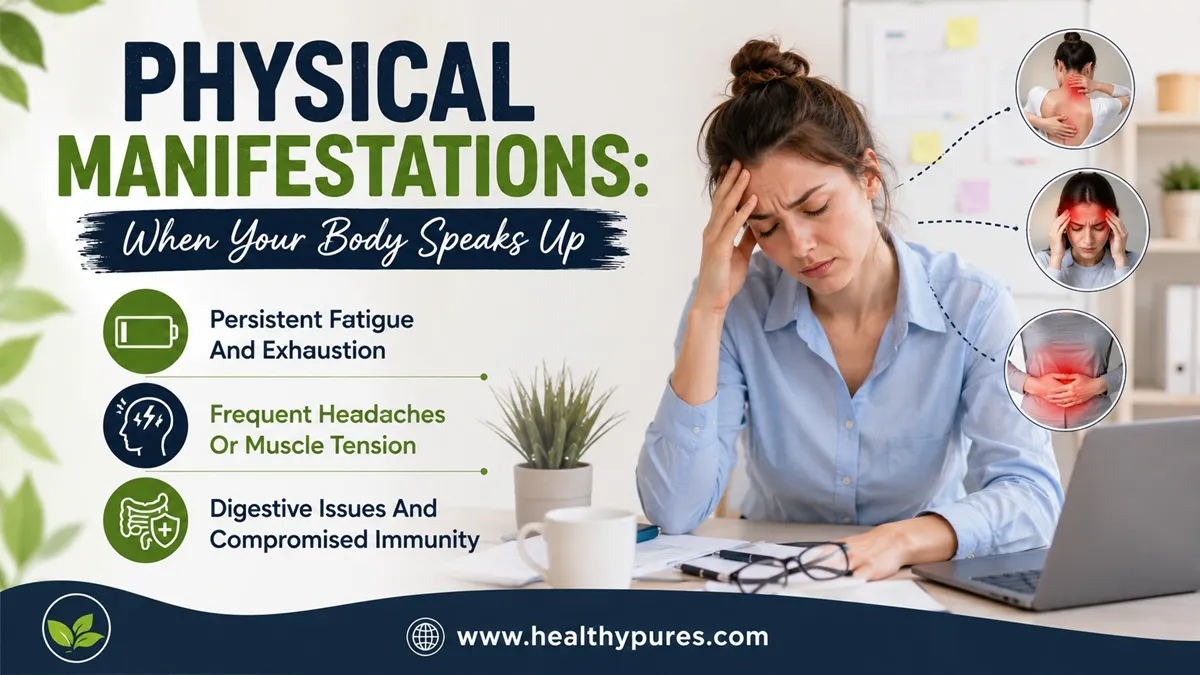
This section will delve into the bodily cues that signal an overburdened system, often overlooked as simple aches, pains, or general fatigue. These physical signs of chronic work stress are the body’s undeniable way of communicating that it needs a break and robust support.
Persistent Fatigue And Exhaustion
This isn’t just common tiredness but a profound, debilitating exhaustion that regular sleep doesn’t resolve, indicating the body is constantly in a state of overdrive. The adrenal glands, continuously producing stress hormones, eventually become fatigued themselves.
This pervasive fatigue can impact daily functioning and motivation, extending beyond work hours. Simple tasks become Herculean, and interest in hobbies diminishes, all due to the overwhelming nature of chronic work stress.
Frequent Headaches Or Muscle Tension
Sustained stress can lead to increased muscle tension, particularly in the neck, shoulders, and jaw, often resulting in tension headaches. The body unconsciously tenses up in response to perceived threats, and this tension becomes chronic.
Other stress-related pains like chronic backaches or generalized body aches are also common signs of chronic work stress. These pains are not always due to physical exertion but often stem from emotional and mental strain.
Digestive Issues And Compromised Immunity
The gut-brain axis illustrates how stress disrupts digestion, leading to symptoms like irritable bowel syndrome (IBS), acid reflux, or changes in appetite. Stress can alter gut microbiome balance, further exacerbating digestive woes.
Chronic stress suppresses the immune system, making individuals more susceptible to colds, flu, and other infections. Compromised Immunity is a significant concern under chronic stress, as the body’s defenses are weakened, leaving it vulnerable to pathogens.
Emotional And Mental Health Impacts: Beyond The Surface
Chronic work stress deeply affects our psychological landscape, shifting moods and impairing essential cognitive functions. These emotional and mental signs of chronic work stress often manifest as subtle changes initially but can escalate significantly over time, revealing more pronounced indicators.
Increased Irritability And Mood Swings
A constant state of stress can shorten one’s temper, leading to increased frustration and impatience with colleagues, family, and even oneself. The ability to regulate emotions diminishes under persistent pressure.
The unpredictable nature of mood swings, transitioning rapidly from calm to agitated or withdrawn without clear triggers, is another hallmark. These shifts disrupt personal and professional relationships.
Anxiety And Depression
Persistent work pressure can trigger or exacerbate feelings of Anxiety, worry, and dread, which often spill over into personal life. The mind becomes hyper-vigilant, constantly anticipating problems.
Prolonged stress can contribute to symptoms of Depression, including feelings of hopelessness, loss of interest in activities, and persistent sadness. The cumulative effect of unmanaged stress can be devastating for mental health.
Difficulty Concentrating And Memory Problems
A mind overwhelmed by stress struggles to focus, impacting productivity, decision-making abilities, and attention to detail. This cognitive fog makes it challenging to complete even routine tasks efficiently.
Chronic cortisol exposure can impair memory formation and recall, making it harder to retain new information or retrieve existing memories effectively. This cognitive decline is a serious sign of chronic work stress that should not be ignored.
Behavioral Changes: How Stress Alters Your Actions
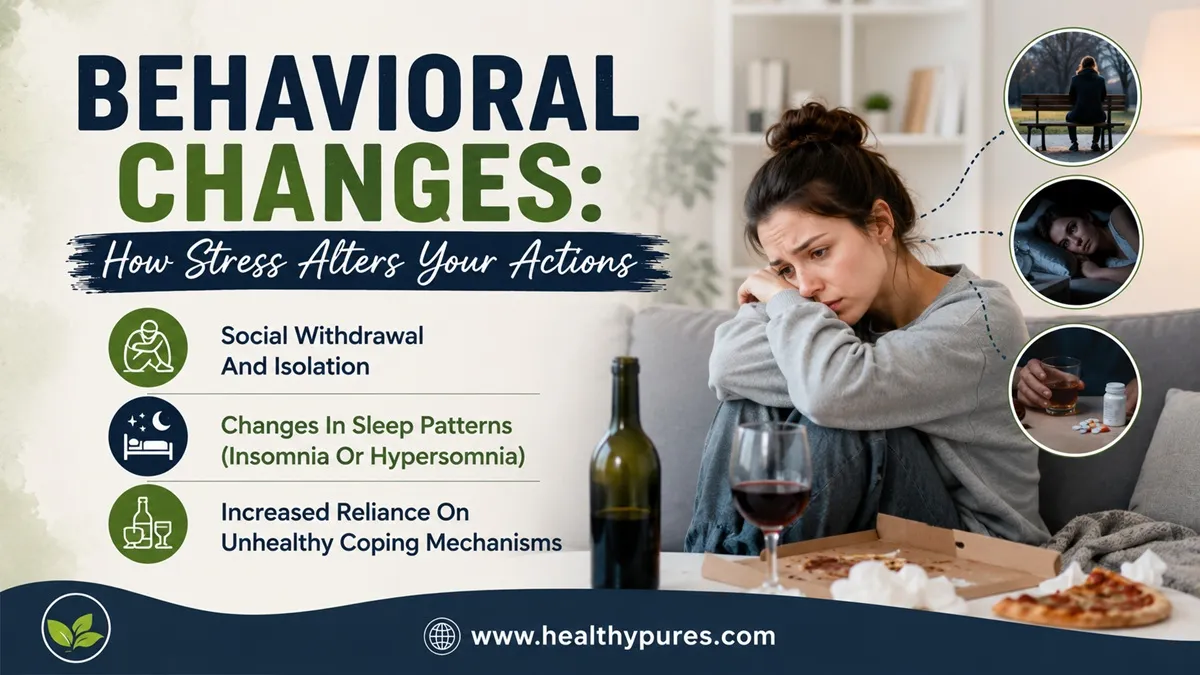
Stress doesn’t just change how we feel; it profoundly alters how we act and interact with the world around us. Observing these shifts in behavior can be critical signs of chronic work stress that signal a need for intervention to prevent deeper issues.
Social Withdrawal And Isolation
Individuals under chronic work stress may start to pull away from social activities, friends, and family, preferring solitude and avoiding social engagement. The energy required for social interaction feels overwhelming.
This self-perpetuating cycle where isolation can exacerbate stress and intensify feelings of loneliness, creating a negative feedback loop. Meaningful connections are essential for well-being, and their absence only worsens stress.
Changes In Sleep Patterns (Insomnia Or Hypersomnia)
Stress can disrupt the body’s natural sleep-wake cycle, leading to difficulty falling asleep, staying asleep (Insomnia), or, conversely, excessive sleepiness (hypersomnia) that still doesn’t feel restorative. The mind races, preventing relaxation.
Disturbed sleep is a key indicator of internal imbalance and a clear sign of persistent chronic work stress. For effective sleep strategies, consider exploring 5 Best Foods To Eat Before Bed For Sleep.
Increased Reliance On Unhealthy Coping Mechanisms
There’s a tendency to turn to unhealthy habits like increased alcohol consumption, excessive caffeine, smoking, emotional overeating, or even gambling as a temporary escape from stress. These provide fleeting relief but cause long-term harm.
These mechanisms offer short-term relief but significantly compound long-term health issues and create new dependencies. Addressing the root cause of chronic work stress is far more effective than self-medicating.
Impact On Productivity And Performance: The Ripple Effect
While stress often stems from a drive for high performance, paradoxically, chronic stress severely undermines it, creating a vicious cycle. Recognizing the decline in work quality and efficiency are often overlooked signs of chronic work stress in a fast-paced, high-demand environment.
Decreased Job Performance And Productivity
Impaired concentration, pervasive fatigue, and emotional distress directly translate to reduced efficiency, increased errors, and difficulty meeting deadlines. What once came easily now requires immense effort.
The concept of presenteeism, where individuals are physically at work but mentally disengaged and unproductive, costs employers significantly. It’s a silent drain on both individual and organizational resources, showcasing the insidious nature of chronic work stress.
Loss Of Motivation And Burnout
Sustained high-pressure environments deplete intrinsic motivation, leading to a profound sense of apathy, cynicism, and disengagement from work tasks. The joy once found in work disappears, replaced by dread.
Burnout is the ultimate consequence of unaddressed chronic work stress, characterized by overwhelming emotional exhaustion, depersonalization, and a reduced sense of personal accomplishment. It’s a state of complete physical, mental, and emotional depletion.
Proactive Strategies For Managing Work Stress: Taking Back Control
Once you’ve identified the signs of chronic work stress, the next crucial step is to implement effective management strategies. We believe in empowering you with actionable techniques to regain balance, protect your well-being, and mitigate the long-term impact of stress.
Implementing Effective Stress Management Techniques
Practical, evidence-based strategies include mindfulness meditation, deep breathing exercises, regular physical activity, and setting clear boundaries between work and personal life. These practices help to reset the nervous system.
We encourage the consistent use of stress-reduction apps or seeking professional guidance for developing personalized coping mechanisms. Incorporating herbal teas for anxiety and sleep can also be a soothing daily ritual.
Prioritizing Work-Life Balance
Intentionally schedule “unplugged” time, take regular short breaks throughout the day, fully utilize vacation days, and delegate tasks where possible. Creating clear boundaries is essential for preventing the overflow of work into personal life.
Emphasize the importance of hobbies, social connections, and activities outside of work to foster a sense of identity beyond professional roles. This helps to cultivate resilience against the impact of chronic work stress.
Seeking Professional Support When Needed
Consult with a healthcare provider, therapist, or counselor if stress symptoms are severe, persistent, or significantly impacting daily life. Early intervention can prevent escalation.
Discuss the benefits of cognitive-behavioral therapy (CBT) or other therapeutic approaches for effectively managing stress and related conditions. Professional guidance can offer tools and strategies tailored to your specific needs.
My Expert Take: A Clinical Perspective On Work Stress
From over a decade in clinical practice, I’ve observed that signs of chronic work stress are often dismissed or misdiagnosed until they reach a crisis point. Many patients come to me seeking solutions for weight gain, stubborn digestive issues, or chronic fatigue, unaware that their daily work environment is the insidious root cause.
We must shift from reactive management to proactive prevention, understanding that neglecting these signs is a direct path to serious health complications, from metabolic dysfunction to increased cardiovascular risk. For supporting metabolic health, simple solutions like 5 Best Weight Loss Breakfast Ideas In 5 Minutes can make a big difference.
Listening to your body’s whispers now can prevent it from having to scream later, saving you from much greater suffering down the line. It is our responsibility to acknowledge and address the impact of chronic work stress before it dictates our health.
Frequently Asked Questions About Chronic Work Stress
How Do I Know If My Stress Is Chronic?
Chronic stress is characterized by its persistence and the feeling that you’re constantly under pressure, with little to no relief, for weeks or even months. It manifests as a combination of the physical, emotional, and behavioral signs of chronic work stress discussed in this article.
Can Chronic Work Stress Lead To Serious Health Problems?
Absolutely. Prolonged stress can significantly contribute to a range of severe health issues including cardiovascular disease, obesity, type 2 diabetes, weakened immune function, and mental health disorders like anxiety and depression. The body is not designed for sustained high-alert states.
What Is The First Step To Address Chronic Work Stress?
The first and most crucial step is often acknowledging that you are experiencing it and not dismissing your symptoms. Follow this by identifying the specific signs of chronic work stress in your life and then seeking to implement small, actionable changes in your daily routine or work environment. Incorporating healthy lunch box ideas for work is a great start.
How Can My Workplace Help Manage Employee Stress?
Workplaces can play a vital role by fostering a supportive culture, actively promoting work-life balance, providing comprehensive stress management resources, ensuring fair and manageable workloads, and offering flexible work arrangements. Addressing chronic work stress collectively benefits everyone.
The Bottom Line: Prioritizing Your Well-Being
Recognizing the signs of chronic work stress isn’t a weakness; it’s a critical act of self-preservation in today’s demanding and often relentless professional world. Your health is your most valuable asset, and allowing work pressures to systematically erode it is a risk no professional achievement can truly justify.
We empower you to listen attentively to your body and mind, take proactive steps, and courageously advocate for your own well-being. Embracing strategies for effective stress management isn’t just about surviving your workday; it’s fundamentally about thriving in all aspects of your life.
What specific signs of chronic work stress have you noticed in your own life, and what strategies have helped you cope? Share your experiences in the comments below!
A Quick Note From Us: This article is just for sharing helpful health tips and information, not medical advice. Because everyone’s body is different, please chat with your doctor or a nutritionist before making any big changes to your diet. Stay healthy! (You can also read our full Medical Disclaimer here).