Tossing and turning, staring at the ceiling as the clock ticks past midnight—this familiar scene plagues millions. Poor sleep isn’t just an inconvenience; it significantly impacts your physical health, mental clarity, and overall well-being. Achieving truly restorative rest requires more than just going to bed; it demands a proactive approach to your nightly routine. We’ve compiled 7 effective sleep care tips to help you transform your nights and revitalize your days, bringing you closer to the quality sleep you deserve.
Optimizing Your Sleep Environment For Restful Nights
Your bedroom should be a sanctuary dedicated solely to sleep. Creating the right atmosphere is a foundational step in implementing effective sleep care tips.
Creating A Dark, Quiet, And Cool Sanctuary
Ensuring your bedroom is dark, quiet, and cool minimizes external distractions and supports your body’s natural sleep processes. Darkness signals your brain to produce melatonin, the sleep hormone, while quiet helps prevent awakenings. An optimal room temperature, typically between 60-67°F (15-19°C), encourages your body’s core temperature to drop, which is essential for initiating and maintaining sleep.
Consider using blackout curtains or an eye mask to block out light, earplugs or a white noise machine to muffle sounds, and setting your thermostat to an ideal temperature. These simple adjustments are among the most impactful effective sleep care tips you can adopt.
Investing In A Quality Mattress And Pillow
Comfort and proper support from a good mattress and pillow are crucial for preventing aches and promoting sustained sleep. An unsupportive mattress can lead to discomfort, tossing and turning, and even chronic pain. Similarly, a pillow that doesn’t properly align your head and neck can strain your spine.
Recognize when it’s time to replace your bedding—typically every 7-10 years for a mattress and 1-2 years for a pillow. Look for options that cater to your individual sleep position and firmness preferences to ensure optimal support, a key aspect of effective sleep care tips.
Establishing A Consistent Sleep-Wake Schedule For Better Rest
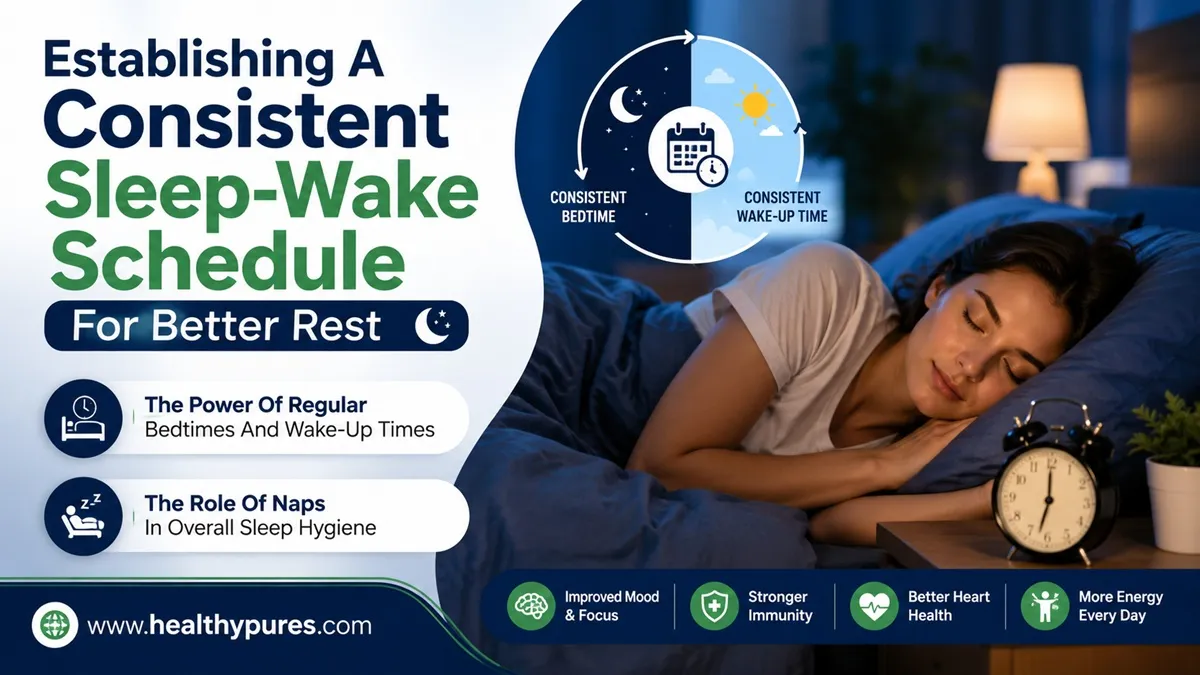
Consistency is key when it comes to adopting effective sleep care tips that regulate your body’s internal clock.
The Power Of Regular Bedtimes And Wake-Up Times
Your body operates on a circadian rhythm, an internal clock that governs your sleep-wake cycle. A consistent bedtime and wake-up time, even on weekends, reinforces this natural cycle. This regularity helps your body anticipate sleep and wakefulness, making it easier to fall asleep at night and wake up feeling more refreshed.
Maintaining a steady schedule is a primary among effective sleep care tips, helping to stabilize your energy levels and improve overall sleep quality. This consistency trains your body to expect rest at a specific time, optimizing its natural rhythms.
The Role Of Naps In Overall Sleep Hygiene
Naps can be a double-edged sword when it comes to sleep hygiene. Short power naps (20-30 minutes) in the early afternoon can boost alertness and performance without disrupting nighttime sleep. However, long naps or napping too late in the day can interfere with your ability to fall asleep at night.
Emphasize that naps should supplement, not replace, adequate overnight sleep. Use them strategically to recharge, ensuring they align with your broader effective sleep care tips strategy rather than undermining it.
Nutritional Strategies For Better Sleep Quality
What you consume throughout the day, and particularly in the evening, significantly impacts your ability to achieve restorative sleep. These dietary considerations are important effective sleep care tips.
Foods That Promote And Hinder Sleep
Certain foods can actively promote better sleep. Foods rich in tryptophan, an amino acid that converts to serotonin and then melatonin, include turkey, chicken, nuts, seeds, and milk. Magnesium-rich foods like leafy greens, avocados, and whole grains can also aid relaxation and sleep. We often incorporate these principles into our affordable clean eating recipes.
Conversely, common sleep disruptors should be avoided, especially close to bedtime. These include heavy, spicy, or fatty meals which can cause indigestion, excessive caffeine that acts as a stimulant, and alcohol, which may initially induce sleep but then fragments it later in the night. Understanding these impacts is crucial for effective sleep care tips.
My Expert Take: Bedtime Snacks And Hydration
A light, easily digestible bedtime snack may be helpful for people who experience hunger before bed, while choosing a simple portion can help avoid unnecessary digestive discomfort. Options such as a small banana with a spoonful of almond butter or a modest serving of tart cherries can fit into a balanced evening routine. These choices can complement the principles of healthy snacks for weight loss and may also be included among practical effective sleep care tips.
Adequate hydration throughout the day is vital for overall health, but it’s wise to taper fluid intake in the hour or two before bed. This prevents frequent nocturnal awakenings to use the restroom, a common disruptor of continuous sleep. Balancing hydration is a key component of these effective sleep care tips.
Incorporating Relaxation Techniques Into Your Routine For Effective Sleep Care

Calming your mind and body before sleep is a powerful way to signal to your system that it’s time to rest, making these important effective sleep care tips.
Mindfulness, Meditation, And Deep Breathing Exercises
Practices like mindfulness, meditation, and deep breathing reduce stress, quiet a racing mind, and lower physiological arousal. Engaging in these activities helps transition your body from a state of alertness to one of relaxation, facilitating easier sleep onset. Even five to ten minutes of focused breathing can make a significant difference.
You can try simple techniques such as box breathing (inhale for four, hold for four, exhale for four, hold for four) or progressive muscle relaxation. Integrating these into your evening routine is one of the most soothing effective sleep care tips.
The Benefits Of A Pre-Sleep Wind-Down Routine
A personalized sequence of relaxing activities signals to your brain that bedtime is approaching. This could include reading a physical book (avoiding screens), taking a warm bath to relax muscles and raise body temperature (which then drops, signaling sleep), or engaging in gentle stretching. We often emphasize similar routines in our 3 day detox menu for overall well-being.
Crucially, avoid stimulating activities like intense work, emotionally charged discussions, or engaging with social media in the hour leading up to bed. These activities can elevate stress hormones and mental alertness, counteracting your efforts to implement effective sleep care tips.
Managing Lifestyle Factors That Impact Sleep
Beyond the bedroom, daily habits play a pivotal role in the quality of your sleep, making them essential effective sleep care tips.
Limiting Screen Time And Blue Light Exposure
The blue light emitted from electronic devices—phones, tablets, computers, and TVs—suppresses melatonin production. This disruption to your body’s natural sleep signals can make it harder to fall asleep and impact sleep quality. It is a critical factor to manage within your effective sleep care tips.
We recommend turning off all screens at least 60-90 minutes before bedtime. If evening screen use is unavoidable, consider using blue light filters on your devices or wearing blue light-blocking glasses. These small changes can significantly protect your natural sleep rhythm.
The Impact Of Exercise On Sleep Patterns
Regular physical activity has an overwhelmingly positive effect on sleep quality and duration. Exercise helps reduce stress, improves mood, and can make you feel more tired at the end of the day. However, timing is important. Vigorous exercise too close to bedtime can be overstimulating, raising your heart rate and body temperature, making it harder to fall asleep.
Aim to complete intense workouts at least a few hours before bed. Morning or early afternoon exercise is generally best for promoting restful sleep. Incorporating regular, appropriately timed movement is a powerful addition to your effective sleep care tips.
What I Pack In My Own Fridge: Sleep-Friendly Habits
As a nutritionist and clinical dietetics expert, I prioritize sleep as a core component of metabolic health. Here are some personal, practical habits I maintain:
- I always have a calming herbal tea blend, like chamomile or valerian, for my evening wind-down ritual.
- I ensure my bedroom is completely dark with blackout blinds and keep the temperature consistently cool, around 65°F (18°C).
- I keep a journal by my bed to jot down any lingering thoughts or to-do items, clearing my mind before sleep.
- I prioritize a protein and fiber-rich breakfast, often something like 5 best weight loss breakfast ideas in 5 minutes, to stabilize blood sugar throughout the day, which indirectly supports stable energy and better sleep at night.
- I limit my caffeine intake strictly to before noon to avoid any lingering stimulating effects. These effective sleep care tips are an integral part of my daily life.
When To Seek Professional Guidance For Persistent Sleep Concerns
While these effective sleep care tips are beneficial for most, some sleep issues require specialized attention.
Recognizing Signs Of Sleep Disorders
It’s important to recognize when your sleep problems might be more than just poor habits. Common symptoms and warning signs of prevalent sleep disorders include chronic difficulty falling or staying asleep (insomnia), loud snoring followed by gasping or pauses in breathing (sleep apnea), or an irresistible urge to move your legs (restless legs syndrome). Constant daytime fatigue, regardless of how much you sleep, is also a red flag.
If you experience persistent symptoms, or if your sleep issues significantly impair your daytime functioning, it warrants professional evaluation. These signs indicate a need for more than general effective sleep care tips.
Consulting A Healthcare Professional
If your sleep problems persist despite implementing these effective sleep care tips, it’s time to talk to your doctor. They can help identify underlying medical conditions, review your medications, or refer you to a sleep specialist.
A medical professional can offer tailored advice, diagnostic tests, and treatment plans beyond general recommendations. Don’t hesitate to seek expert help for better sleep health; it’s an investment in your overall well-being. This is a crucial step for achieving truly restorative sleep when standard effective sleep care tips are not enough.
Frequently Asked Questions About Effective Sleep Care Tips
Addressing common inquiries about sleep to further empower readers.
Can Supplements Really Help With Sleep?
Popular sleep aids like melatonin or magnesium can offer some benefits, especially for specific issues like jet lag or temporary insomnia. Melatonin helps regulate the sleep-wake cycle, while magnesium is known for its muscle-relaxing properties. However, their effectiveness varies, and they are not universally beneficial as effective sleep care tips.
It’s crucial to consult a doctor before starting any supplement regime, as they can interact with medications or have side effects. Supplements should be seen as a short-term aid, not a long-term solution, and should complement, not replace, healthy sleep habits.
How Long Should It Take To Fall Asleep?
The typical healthy sleep latency, or the time it takes to fall asleep, is between 10 to 20 minutes. If you consistently fall asleep much faster than this, it might indicate you’re overtired. Conversely, if it takes significantly longer than 20-30 minutes, it could point to insomnia or other sleep issues. Monitoring this can be an informal way to gauge the success of your effective sleep care tips.
Understanding your sleep latency can provide insight into your sleep health and the effectiveness of your pre-sleep routine. Aim for that comfortable 10-20 minute window, which suggests your body and mind are adequately prepared for rest.
Is It Okay To Catch Up On Sleep On Weekends?
While it might feel good in the moment, trying to “catch up” on sleep on weekends can disrupt your circadian rhythm, leading to a phenomenon often called “social jet lag.” This inconsistency can make it harder to fall asleep and wake up during the workweek, perpetuating a cycle of sleep deprivation. Maintaining a regular sleep schedule, even on weekends, is more beneficial than trying to compensate for lost sleep.
Prioritizing consistent sleep times, even if it means slightly adjusting weekend lie-ins, is one of the most powerful and effective sleep care tips for long-term sleep health. Focus on preventing sleep debt rather than trying to repay it.
The Bottom Line
Prioritizing quality sleep is not a luxury; it’s a fundamental pillar of good health. Implementing these effective sleep care tips consistently can profoundly improve your energy levels, mood, cognitive function, and overall quality of life. Start by making small, manageable changes to your routine, and gradually build towards a personalized sleep regimen that supports your well-being. Your body and mind will thank you for the restorative rest.
What specific effective sleep care tips have made the biggest difference in your nightly rest? Share your insights in the comments below!
A Quick Note From Us: This article is just for sharing helpful health tips and information, not medical advice. Because everyone’s body is different, please chat with your doctor or a nutritionist before making any big changes to your diet. Stay healthy! (You can also read our full Medical Disclaimer here).