The journey to sustainable weight loss is often described as a marathon, not a sprint. Yet, for many, it often feels like hitting an invisible wall – a frustrating standstill known as a weight loss plateau. You’ve been consistent, made healthy choices, and seen progress, only to suddenly find the scale stubbornly refusing to budge. This can be incredibly disheartening, leading to demotivation and even abandonment of your health goals. Understanding how to overcome a weight loss plateau is crucial for long-term success, and it often involves identifying subtle mistakes that may be hindering your progress.
As Lucas Miller, Lead Health Content Researcher & Editor at Healthy Pures, I explore why weight loss plateaus can occur and what practical, evidence-based strategies may help. We understand how frustrating it can be when progress slows, and this article examines five common pitfalls that may contribute to a plateau, along with actionable guidance on how to overcome a weight loss plateau and build sustainable habits for long-term weight management.
Underestimating Your Calorie Intake And Portion Sizes
One of the most frequent reasons for a weight loss stall is simply consuming more calories than you realize. Your body adapts to lower calorie intake over time, meaning the deficit that initially caused weight loss may no longer be sufficient. Underestimating what you eat is a significant barrier to figuring out how to overcome a weight loss plateau.
The Hidden Calories In Your Diet
Seemingly small additions can dramatically increase your daily calorie count. Cooking oils, rich sauces, creamy dressings, and sweetened beverages often go unnoticed. These caloric contributions can quickly add up, turning a planned deficit into maintenance or even a surplus.
It is also easy to be misled by “healthy” snacks. While nuts, avocados, and whole-grain bars are nutritious, they are often calorie-dense. Mindful snacking with appropriate portion sizes, perhaps by choosing 15 Low-Calorie Healthy Snacks For Weight Loss, is essential to keep your intake in check.
Why Accurate Tracking Is Essential
Even slight inaccuracies in estimating portion sizes can derail a calorie deficit over time. A tablespoon of dressing becomes two, a handful of nuts becomes two, and suddenly your carefully planned intake is off by hundreds of calories. This makes it challenging to know how to overcome a weight loss plateau.
To regain control, we recommend a brief period of meticulous tracking. Use a food scale for solids and measuring cups for liquids to ensure accuracy. Reliable tracking apps can provide nutritional information and help you log consistently. This data empowers you to make informed adjustments.
My Expert Take: The “Nibble” Effect
From my clinical experience, a common scenario for clients struggling with how to overcome a weight loss plateau is the “nibble” effect. These are the frequent, small, untracked bites throughout the day – a sample while cooking, a forgotten piece of candy, a taste of a child’s meal. Individually insignificant, they accumulate into significant calorie overconsumption. A focused week of logging everything that passes your lips often reveals these hidden calories and provides the clarity needed to restart progress.
Neglecting Non-Exercise Activity Thermogenesis And Progressive Overload

When addressing how to overcome a weight loss plateau, many focus solely on structured exercise. However, two often-overlooked components – daily movement and challenging your body adequately – play a pivotal role in metabolic health and sustained weight loss.
The Power Of Daily Movement (NEAT)
Non-Exercise Activity Thermogenesis (NEAT) encompasses all the calories burned through activities other than sleeping, eating, or structured exercise. This includes walking, standing, fidgeting, and even typing. NEAT significantly contributes to your total daily energy expenditure. Increasing your NEAT is one of the most practical steps for how to overcome a weight loss plateau.
Implement simple strategies to boost your NEAT: take the stairs instead of the elevator, park further from your destination, use a standing desk, or take short walking breaks every hour. These small changes collectively burn hundreds of extra calories throughout the day, preventing metabolic stagnation.
Strategic Exercise For Breaking Through Plateaus
Relying solely on steady-state cardio can lead to diminishing returns over time, as your body becomes incredibly efficient. To truly break through, you need to challenge your muscles. Strength training is crucial for building and preserving lean muscle mass, which is metabolically active and boosts your resting metabolism.
The principle of progressive overload is fundamental. This means continually challenging your body with increased weight, reps, sets, or intensity over time. Without progressive overload, your muscles adapt, and your calorie expenditure plateaus. Regularly assessing and advancing your workouts is key to knowing how to overcome a weight loss plateau.
Overlooking The Critical Role Of Sleep And Stress Management
In our fast-paced world, sleep and stress are often relegated to the bottom of the priority list. However, their impact on your metabolic health and ability to lose weight is profound. Addressing these lifestyle factors is an essential part of learning how to overcome a weight loss plateau.
The Impact Of Poor Sleep On Weight Loss
Insufficient sleep profoundly disrupts hormone regulation. Specifically, it elevates ghrelin, the hormone that signals hunger, and suppresses leptin, the hormone that promotes satiety. This imbalance leads to increased cravings for calorie-dense foods and a heightened appetite, making adherence to a calorie deficit extremely difficult.
Poor sleep also negatively affects insulin sensitivity, potentially increasing fat storage, particularly around the abdomen. Prioritizing 7-9 hours of quality sleep can profoundly impact your ability to regulate hunger, manage energy, and therefore learn how to overcome a weight loss plateau. Implementing good sleep hygiene, such as a consistent sleep schedule and a cool, dark bedroom, is invaluable.
How Chronic Stress Sabotages Your Efforts
Chronic stress triggers the release of cortisol, a hormone that, in sustained high levels, promotes abdominal fat storage and increases sugar cravings. This physiological response is designed for survival but works against weight loss goals in modern life. Unmanaged stress can make it nearly impossible to figure out how to overcome a weight loss plateau.
Integrate stress reduction techniques into your daily routine. Mindfulness, meditation, deep breathing exercises, and dedicating time to hobbies or social connections can lower cortisol levels. Even short periods of relaxation can significantly impact your body’s ability to manage stress and support your weight loss efforts.
Failing To Prioritize Protein, Fiber, And Hydration
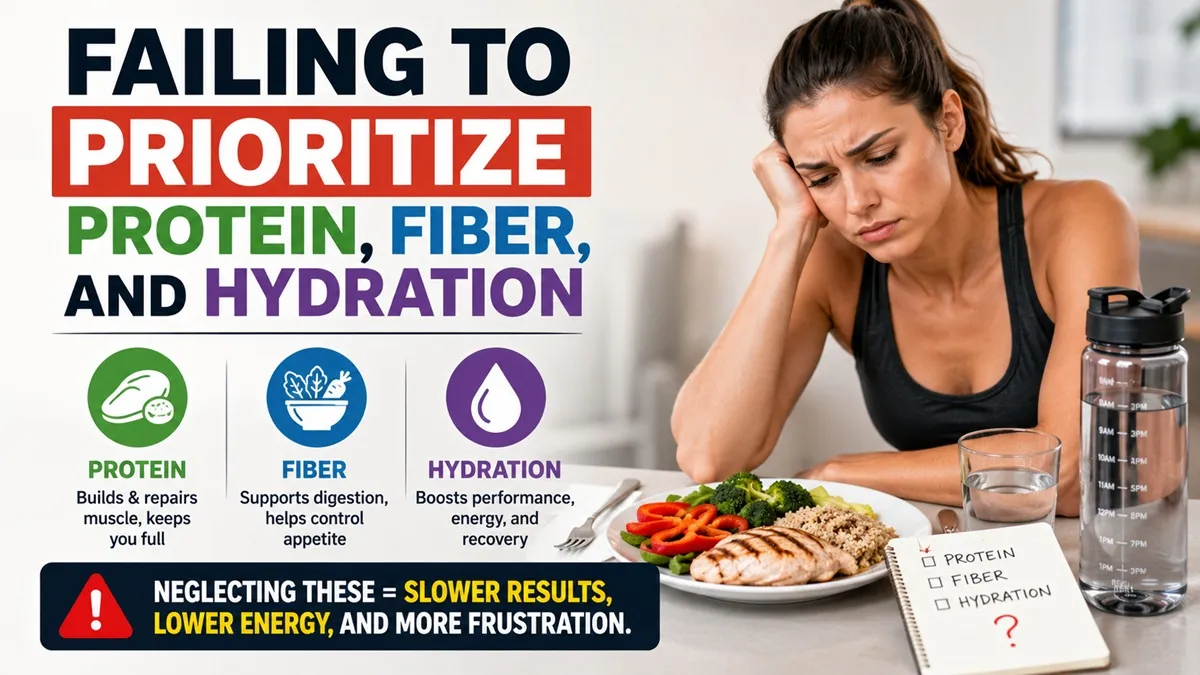
While overall calorie intake is paramount, the quality of your calories matters immensely for satiety, metabolic function, and breaking through plateaus. Neglecting key macronutrients and proper hydration can sabotage your efforts to learn how to overcome a weight loss plateau.
The Satiety Power Of Protein And Fiber
Adequate protein intake is non-negotiable, especially when in a calorie deficit. Protein helps preserve lean muscle mass, which is vital for maintaining a healthy metabolism. It also provides the highest satiety, keeping you feeling full for longer and reducing overall calorie consumption. Prioritizing protein is a key strategy for how to overcome a weight loss plateau.
Dietary fiber, found in fruits, vegetables, and whole grains, also plays a crucial role. Fiber promotes satiety, supports a healthy gut microbiome, and helps stabilize blood sugar levels, preventing energy crashes and subsequent cravings. Both protein and fiber are your allies in managing hunger. Consider options like 3 Easy Overnight Oats Recipes For Weight Loss to boost your fiber and protein intake at breakfast.
Why Hydration Is More Than Just Thirst Quenching
Water is essential for virtually every bodily function, including metabolism, nutrient transport, and detoxification. Even mild dehydration can slow down metabolic processes and negatively impact energy levels. Ensuring you are well-hydrated is a simple yet powerful strategy for how to overcome a weight loss plateau.
Proper hydration can also help distinguish between true hunger and thirst, often mistaken for one another. Drinking a glass of water before meals can reduce overall food intake and aid in appetite control. Aim for at least 8 glasses of water daily, more if you are active.
Relying Solely On The Scale And Ignoring Other Metrics Of Progress
The bathroom scale can be a useful tool, but it tells only a fraction of the story. Fixating solely on the number on the scale can be incredibly demotivating and often misrepresents your true progress when trying to learn how to overcome a weight loss plateau.
Beyond The Number On The Scale
The scale can fluctuate due to many factors unrelated to actual fat loss, such as water retention from exercise, increased sodium intake, or hormonal changes. Gaining muscle mass, a positive outcome of strength training, can also obscure fat loss on the scale. When you want to learn how to overcome a weight loss plateau, it is imperative to look at the bigger picture.
Shift your focus to “non-scale victories.” These include improved clothing fit, increased energy levels, better sleep quality, enhanced strength in workouts, and a more positive mood. These indicators provide a more holistic and accurate view of your health progress and can sustain motivation during a plateau.
Understanding Body Composition Changes
Body recomposition is where you gain muscle while simultaneously losing body fat. This can lead to minimal changes on the scale, but significant improvements in your body shape, health markers, and overall fitness. It’s a common and positive reason for a scale plateau.
To better assess your efforts, consider alternative tracking methods. Take regular body measurements (waist, hips, arms, thighs) and progress photos. These provide visual and measurable evidence of changes in your body shape and muscle definition. While less accessible, body fat percentage analysis can also offer insights into your composition changes.
What I Pack In My Own Fridge
A practical approach to how to overcome a weight loss plateau can start with thoughtful meal planning and keeping nutritious foods readily available. A well-stocked fridge might include fresh vegetables such as spinach, broccoli, and bell peppers, along with lean protein sources like grilled chicken, salmon, Greek yogurt, eggs, and a variety of berries. Preparing meals and snacks in advance can also make healthier choices more convenient throughout the week. Strategies such as 5 Easy Meal Prep For Week Ideas To Save Hours In The Kitchen can help reduce reliance on impulsive food choices and make balanced meals easier to maintain. Keeping simple options such as pre-cut vegetables available for snacks can further support consistent eating habits.
The Nutritionist Verdict: Your Blueprint For Breaking Through
Learning how to overcome a weight loss plateau requires a multi-faceted approach, emphasizing consistency, patience, and strategic adjustments. A plateau is a natural part of the journey and an opportunity to refine your approach, not a sign of failure. It signals that your body has adapted, and it’s time to adapt your strategy in turn.
The objective judgment is clear: success hinges on a holistic view. Meticulously tracking intake, increasing NEAT and structured progressive exercise, prioritizing quality sleep, managing stress, and focusing on protein, fiber, and hydration are all crucial. Furthermore, expanding your definition of progress beyond the scale will keep you motivated. Embrace these adjustments, and you will effectively learn how to overcome a weight loss plateau.
Frequently Asked Questions (FAQ)
How Long Does A Weight Loss Plateau Typically Last?
A weight loss plateau can last anywhere from a few weeks to several months. It’s considered a plateau when you’ve been consistent with your diet and exercise but haven’t seen any scale movement for at least 2-3 weeks. If it persists, it’s a good time to re-evaluate your strategies.
Should I Cut More Calories When I Hit A Plateau?
While tempting, drastically cutting calories isn’t always the best solution for how to overcome a weight loss plateau. It can lead to nutrient deficiencies, muscle loss, and make adherence unsustainable. Instead, consider small, strategic reductions, or re-evaluate the quality of your calories and other lifestyle factors first.
Can Hormones Be A Factor In A Plateau?
Yes, hormones can definitely play a role. Imbalances related to thyroid function, polycystic ovary syndrome (PCOS), or insulin resistance can impact metabolism and fat storage. If you suspect hormonal issues, consulting a medical professional for testing is advisable when trying to figure out how to overcome a weight loss plateau.
Is Intermittent Fasting A Solution For Plateaus?
Intermittent fasting (IF) can be a strategy for how to overcome a weight loss plateau by helping to create a calorie deficit and potentially improving metabolic flexibility. It’s not a magic bullet, but for some individuals, it can be an effective tool when combined with a nutrient-dense diet and consistent exercise. Consult a healthcare provider before starting IF.
The Bottom Line
Learning how to overcome a weight loss plateau requires a combination of self-awareness, strategic adjustments, and an understanding that your body constantly adapts. By addressing common pitfalls like inaccurate tracking, insufficient movement, poor sleep, unchecked stress, and a narrow focus on the scale, you can unlock new progress. Remember, your journey is unique, and small, consistent changes accumulate into significant results. Keep refining your approach, stay patient, and trust the process of figuring out how to overcome a weight loss plateau.
What specific strategy helped you the most in learning how to overcome a weight loss plateau? Share your insights in the comments below!
A Quick Note From Us: This article is just for sharing helpful health tips and information, not medical advice. Because everyone’s body is different, please chat with your doctor or a nutritionist before making any big changes to your diet. Stay healthy! (You can also read our full Medical Disclaimer here).

