Hey there, friend! As a nutritionist with over a decade of experience, I hear it all the time: “Clean eating sounds amazing, but it’s just too expensive.” We’re here to bust that myth wide open! We understand that making healthy choices can feel daunting when you’re watching your wallet, but we promise, clean eating on a budget is not only possible, it’s incredibly empowering. We’ll show you exactly how to enjoy delicious, whole foods for less than $50 a week, proving that nourishing your body doesn’t have to break the bank. Get ready to transform your plate and your budget!
Mastering The Mindset: Your Foundation For Clean Eating On A Budget
Before we even hit the grocery store, setting the right mindset is key to making clean eating on a budget a sustainable reality. It’s about smart planning, not deprivation!
The Power Of Planning: Weekly Meal Prep For Success
We’ll dive into why a weekly meal plan is your secret weapon for budget-friendly clean eating. This isn’t about rigid rules, but smart strategies to avoid impulse buys and food waste. Creating a flexible meal plan, checking your pantry first, and understanding what you already have on hand prevents overspending and makes clean eating on a budget feel effortless. By knowing what you’re going to eat, you streamline your shopping and cooking processes, drastically cutting down on unnecessary expenses and wasted food. This foresight is a cornerstone of effective meal prep for beginners and seasoned cooks alike.
Setting Your Budget And Sticking To It
We’ll talk about practical steps to establish a realistic weekly grocery budget (our goal is under $50!) and simple ways to track your spending, giving you control over your clean eating on a budget. Start by tracking your current spending for a week or two to see where your money is actually going. Then, set your $50 target. There are many free apps and simple notebook methods to monitor your grocery expenses. If you find yourself going over, adjust your plan by choosing even cheaper ingredients or reducing quantities slightly. This iterative process allows you to master clean eating on a budget over time.
Smart Shopping Strategies For Budget-Friendly Whole Foods

Knowing where and how to shop can make all the difference when you’re aiming for clean eating on a budget. We’ve got the insider tips!
Where To Shop For The Best Deals
Explore different grocery store options, from discount supermarkets like Aldi or Lidl to local farmers’ markets, and even international food stores. Discount supermarkets often have great deals on staples and seasonal produce. Farmers’ markets can offer excellent prices on in-season fruits and vegetables, often directly from the grower. International food stores are fantastic for finding affordable spices, grains, and legumes in bulk. Combining these shopping trips allows you to cherry-pick the best deals for affordable whole foods, always with clean eating on a budget in mind.
Making Your Grocery List Work For You
We’ll guide you through creating an effective grocery list based on your meal plan and current pantry stock, focusing on versatile ingredients. Before you leave the house, take inventory of what you already have. This prevents duplicate purchases. When making your list, organize it by grocery store aisle to save time and reduce impulse buys. Stick to your list rigorously, avoiding common marketing traps like end-cap displays of processed snacks. This disciplined approach ensures your clean eating on a budget remains achievable and keeps you focused on your goals.
Embracing Seasonal Produce And Sales
Learn how buying produce that’s in season can dramatically cut costs and boost flavor, a cornerstone of successful clean eating on a budget. Seasonal produce is typically more abundant, meaning lower prices and better taste. For instance, berries are cheaper and tastier in summer, while root vegetables shine in winter. Always check your store’s weekly flyers for sales and coupons, but apply them wisely – only buy items that fit your clean eating on a budget plan and that you will genuinely use. Don’t be swayed by a deal on something unhealthy!
Stocking Your Pantry: Essential Affordable Whole Food Staples
Let’s talk about the unsung heroes of clean eating on a budget: those pantry staples that form the backbone of countless nutritious and inexpensive meals.
Grains, Legumes, And Starches: Your Filling Foundations
Highlight the incredible value and nutritional power of staples like oats, brown rice, quinoa, lentils, dried beans, and potatoes. These are crucial for making clean eating on a budget filling and satisfying. Oats are perfect for breakfasts, brown rice and quinoa are versatile bases for lunches and dinners, and lentils and beans provide robust plant-based protein and fiber. These ingredients are incredibly inexpensive when bought in bulk. We recommend cooking larger quantities of grains and legumes at the beginning of the week, as this easy meal prep for week strategy saves both time and money.
Proteins That Won’t Break The Bank
Explore affordable protein sources such as eggs, canned tuna/salmon, frozen chicken thighs, and plant-based options like tofu and tempeh. Eggs are incredibly versatile and nutritious, great for any meal. Canned fish is a convenient source of omega-3s and protein. Frozen chicken thighs are often much cheaper than breasts and just as versatile. Tofu and tempeh absorb flavors beautifully and offer excellent plant protein. These ingredients fit perfectly into a clean eating on a budget plan, providing sustained energy without the high cost. For those interested in understanding the building blocks of a healthy diet, exploring macronutrients and micronutrients can further deepen your appreciation for these protein powerhouses.
Flavor Boosters and Healthy Fats On A Dime
Guide readers on smart choices for oils (like olive or canola), vinegars, herbs, spices, and even frozen fruits and vegetables that add immense value to “clean eating on a budget” without busting your financial goals. A well-stocked spice cabinet is a game-changer for delicious, inexpensive meals; buying spices in bulk from ethnic markets can be very cost-effective. Frozen fruits and vegetables are often cheaper than fresh, especially out of season, and just as nutritious. Healthy fats from olive oil or small amounts of nuts and seeds add satiety and essential nutrients without a huge price tag.
Smart Cooking And Meal Prep For Maximizing Your Budget
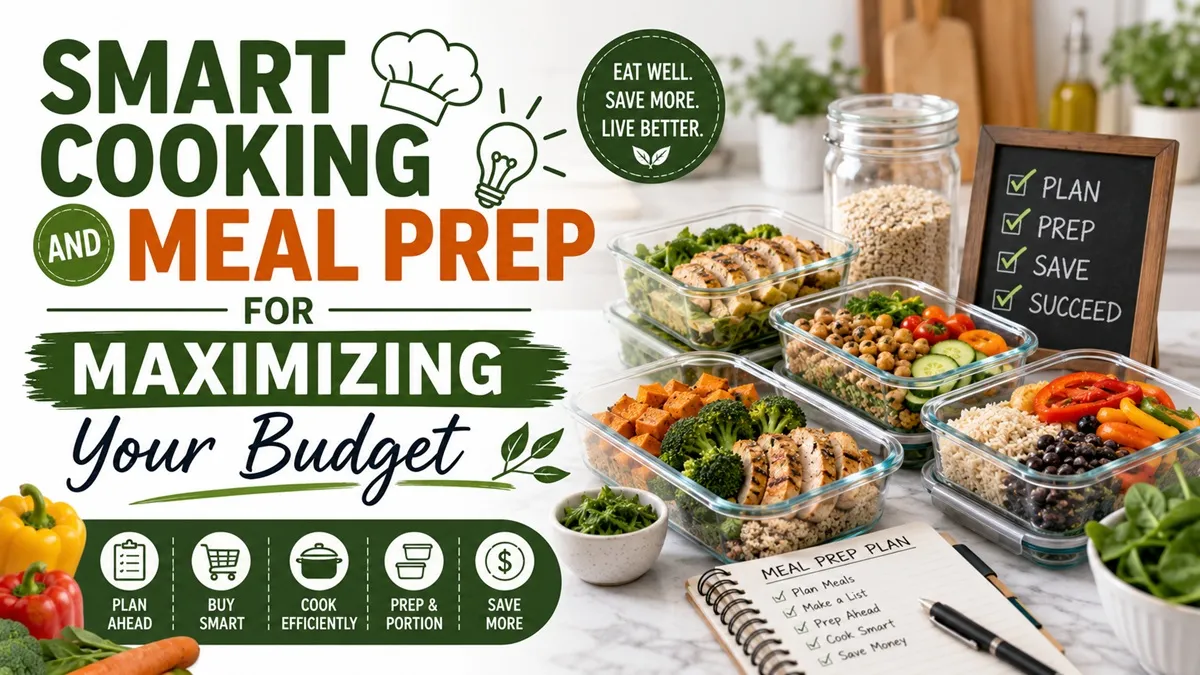
Once you’ve got your affordable ingredients, it’s all about how you prepare them to stretch your dollar and your time, making clean eating on a budget a breeze.
Batch Cooking And Leftover Love
We’ll explain the magic of batch cooking – preparing larger quantities of staples or entire meals at once – to save time during the week and ensure you always have healthy options. Cook a large batch of rice, quinoa, or roasted vegetables. Prepare a big pot of lentil soup or chili. This strategy means less cooking throughout the week and fewer temptations for takeout. Get creative with repurposing leftovers; for instance, leftover roasted chicken can become a salad topping or filling for wraps. This prevents food waste and keeps your clean eating on a budget exciting. Discover more benefits of meal prepping for a healthier life.
Minimizing Food Waste: Every Scrap Counts
Share practical tips for using up every part of your ingredients, from veggie scraps for broth to using slightly overripe fruit in smoothies. This is fundamental for successful “clean eating on a budget.” Keep a container in your freezer for vegetable scraps (onion peels, carrot tops, celery ends) to make homemade vegetable broth later. Overripe bananas are perfect for baking or freezing for smoothies. Understand proper food storage techniques to extend shelf life and avoid spoilage, ensuring your ingredients stay fresh longer and prevent you from throwing money away.
Simple, Versatile Recipes For Under $50
Offer examples of incredibly simple yet delicious and nutritious meals that can be made using our budget-friendly staples. Think one-pan roasts with chicken thighs and root vegetables, hearty lentil stews, or customizable grain bowls. Suggest flexible recipes that allow for ingredient swaps based on what’s on sale – for example, if broccoli is cheaper than cauliflower, swap it in! This adaptability makes “clean eating on a budget” fun and ensures you’re always getting the best value for your money. You don’t need fancy ingredients to make incredibly flavorful meals.
Creative Meal Ideas: Delicious Clean Eating On A Budget
It’s one thing to buy the right ingredients, but it’s another to turn them into exciting meals! We’ll inspire you with ideas that make clean eating on a budget feel like a culinary adventure.
Breakfasts That Fuel Without the Fuss
Share quick and inexpensive breakfast ideas like oatmeal with frozen berries, scrambled eggs with leftover veggies, or budget-friendly smoothies. Overnight oats made with rolled oats, water or milk, and a handful of frozen fruit are incredibly cheap and can be prepared the night before. Scrambled eggs are a protein powerhouse and can be bulked up with whatever vegetables you have on hand. Focus on options that provide sustained energy for your “clean eating on a budget” lifestyle, keeping you full and focused until your next meal.
Lunches & Dinners: Versatility Is Key
Provide examples of adaptable lunch and dinner ideas such as lentil soup, bean burritos, rice and bean bowls, or stir-fries with frozen vegetables and a small amount of affordable protein. A big pot of lentil soup can last for days and is incredibly nourishing. Bean burritos or tacos are customizable and use inexpensive ingredients. Stir-fries are quick, use up various veggies, and a little protein goes a long way. Emphasize how these recipes leverage the staples discussed, ensuring you can maintain clean eating on a budget effortlessly. For those busy days, exploring 15 minute meal prep lunch options can be a game-changer.
Snacks That Satisfy Your Wallet And Cravings
Suggest simple, whole-food snacks like apples with peanut butter, hard-boiled eggs, homemade popcorn, or carrots with hummus. These are far cheaper and healthier than processed snack foods. Preparing a batch of hard-boiled eggs at the start of the week provides easy protein. Homemade popcorn (air-popped) is a whole grain and much more affordable than bagged versions. These options prove that “clean eating on a budget” can include delicious, satisfying snacks that keep you energized between meals.
Navigating Challenges And Staying Motivated On Your Budget Journey
We know that sometimes life throws curveballs, but sticking to clean eating on a budget is absolutely achievable with a few extra strategies.
Dealing with Cravings And Eating Out
Offer realistic advice on managing cravings with healthy, budget-friendly alternatives and strategies for making smarter choices if you occasionally eat out without derailing your “clean eating on a budget.” If a craving hits, try a piece of fruit, a handful of nuts, or a small square of dark chocolate instead of an expensive, processed treat. When eating out, look for places with healthy, affordable options, share an entree, or choose water instead of sugary drinks. Packing your own snacks to avoid expensive impulse buys when you’re out and about is a great proactive step.
Staying Consistent And Celebrating Small Wins
Encourage readers to be patient with themselves and view this as a journey, celebrating every successful week of “clean eating on a budget.” It’s okay if you go over budget one week; simply learn from it and adjust for the next. Consistency over time yields big results for both your health and your finances. Acknowledge your efforts and the positive changes you’re making. Remember, establishing good habits takes time, and every step you take towards good nutrition and financial prudence is a win.
Frequently Asked Questions About Clean Eating on a Budget
You’ve got questions, and we’ve got answers! Let’s tackle some common concerns about making clean eating on a budget work for you.
Is Organic Food Necessary For Clean Eating On A Budget?
Discuss the “Dirty Dozen” and “Clean Fifteen” lists, explaining when it might be worthwhile to splurge on organic and when conventional is perfectly fine for clean eating on a budget. The Dirty Dozen lists produce with the highest pesticide residues, making organic a good choice there if your budget allows. The Clean Fifteen are typically lower in residues, so conventional options are usually fine. Prioritize buying organic for items like apples, spinach, and strawberries, and save money on conventional avocados, onions, and corn.
How Can I Make Clean Eating On A Budget Work For A Family?
Offer tips for scaling up recipes, involving family members in meal prep, and finding kid-friendly whole food options that keep costs down. Cook large batches of staples like rice, beans, and roasted chicken. Get older children involved in meal planning and simple prep tasks. Focus on versatile meals like tacos or pasta dishes where each family member can customize their plate with healthy, budget-friendly toppings. Remember, family-sized portions of meals built around grains, legumes, and seasonal vegetables are inherently cost-effective.
What If I Don’t Have Much Time For Cooking?
Reiterate the importance of batch cooking and efficient meal prep strategies, emphasizing that even small pockets of time can lead to big savings and healthier meals when pursuing “clean eating on a budget.” Dedicate just 2-3 hours one day a week to chop vegetables, cook grains, and prepare a protein. This preps you for quick meals throughout the week. Simple, no-cook options like salads with canned beans or pre-cooked chicken can also be your friend. Learn how to read nutrition labels quickly to make fast, informed choices at the grocery store.
Are Supplements Necessary On a Budget-Friendly Clean Eating Plan?
Explain that a well-rounded, whole-foods diet typically provides most necessary nutrients, and discuss when supplements might be considered, always recommending professional advice. For the vast majority of people, a diverse diet rich in nutrient-dense foods will provide all essential vitamins and minerals. Supplements are generally not necessary for clean eating on a budget. If you have specific dietary restrictions or health conditions, consult a healthcare professional before adding supplements, as they can be an unnecessary expense and sometimes even counterproductive.
Embracing Your Journey To Affordable Wellness
You’ve seen it’s not just a pipe dream – “clean eating on a budget” is genuinely achievable, and we’re so excited for you to experience the benefits! We’ve walked through the mindset, the shopping strategies, the pantry heroes, and the culinary creativity that makes nourishing your body with whole foods for under $50 a week a reality. Remember, this journey is about making smart, sustainable choices that benefit both your health and your wallet. We believe in you and your ability to thrive on this path to affordable wellness. Happy eating!
Disclaimer: This article is for informational purposes only and does not constitute medical advice. Read our full Medical Disclaimer before making any dietary changes.

