Feeling persistent heaviness or puffiness in your abdomen can be uncomfortable and frustrating. Many people experience recurring bloating, gas, or stomach discomfort and may not realize that certain foods or eating habits could contribute to their symptoms. At Healthy Pures, we aim to provide practical, evidence-based information to help readers better understand digestive health. This article, authored by Lucas Miller, Lead Health Content Researcher & Editor at Healthy Pures, explores the worst foods for gut health that may contribute to bloating and digestive discomfort. We’ll also examine how different dietary choices can affect digestion and the gut microbiome, while recognizing that individual responses to foods can vary.
Understanding Your Gut And Bloating’s Connection
A healthy gut is fundamental to overall well-being, influencing everything from immunity to mood. When something is amiss, one of the first and most common signs is bloating.
The Intricate World Of The Gut Microbiome
Your gut microbiome is a complex ecosystem of trillions of microorganisms, including bacteria, fungi, and viruses. This community plays a crucial role in digestion, nutrient absorption, and immune function.
Maintaining a healthy balance of beneficial and harmful bacteria is essential. An imbalance, known as dysbiosis, can compromise your digestive processes and lead to symptoms like gas and bloating, often exacerbated by the worst foods for gut health.
How Certain Foods Trigger Bloating
Specific food components can trigger bloating through several mechanisms. Some foods may be poorly digested, leading to fermentation by gut bacteria and excessive gas production.
Others can cause fluid retention or inflammation in the digestive tract. Understanding these triggers is key to identifying and avoiding the worst foods for gut health that contribute to your discomfort.
The Top 5 Worst Foods For Gut Health That Cause Bloating
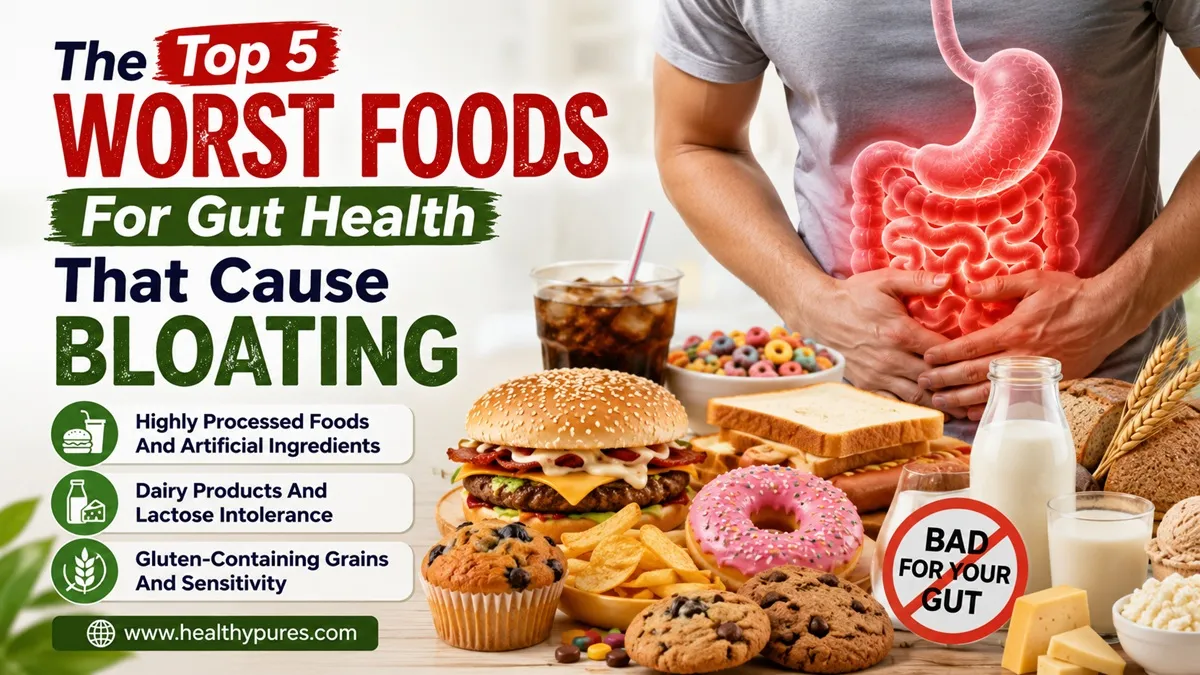
Identifying and reducing these specific items in your diet can be a game-changer for digestive comfort. We’ve compiled a list of the worst foods for gut health that commonly contribute to bloating.
Highly Processed Foods And Artificial Ingredients
Highly processed foods are laden with additives, preservatives, emulsifiers, and unhealthy fats that can wreak havoc on your gut. These ingredients disrupt the delicate balance of the gut microbiome.
Examples like packaged snacks, frozen meals, and fast food often contain refined sugars, unhealthy oils, and artificial flavors. These contribute to inflammation and impair digestion, making them some of the worst foods for gut health.
Dairy Products And Lactose Intolerance
Lactose intolerance is a common condition where the body lacks sufficient lactase, the enzyme needed to digest lactose, the sugar found in milk and dairy products. Undigested lactose moves into the large intestine.
There, it ferments by gut bacteria, producing gas and causing significant bloating, cramps, and diarrhea for many individuals. For those affected, dairy products are among the worst foods for gut health.
Gluten-Containing Grains And Sensitivity
Gluten, a protein found in wheat, barley, and rye, can be a major digestive irritant for sensitive individuals. This includes those with celiac disease, an autoimmune condition, and non-celiac gluten sensitivity.
For these individuals, gluten triggers inflammation, gut damage, and symptoms like bloating, abdominal pain, and fatigue. Consequently, gluten-containing grains can be considered some of the worst foods for gut health.
High-FODMAP Foods
FODMAPs (Fermentable Oligosaccharides, Disaccharides, Monosaccharides, and Polyols) are short-chain carbohydrates that are poorly absorbed in the small intestine. They draw water into the gut and ferment rapidly by bacteria.
This process leads to excessive gas and bloating, particularly in individuals with Irritable bowel syndrome (IBS). Common high-FODMAP foods include certain fruits (apples, pears), vegetables (onions, garlic), legumes, and artificial sweeteners.
Sugary Drinks And Artificial Sweeteners
Excessive intake of sugary drinks, such as sodas and fruit juices, provides a direct food source for harmful gut bacteria. This imbalance, known as dysbiosis, leads to increased gas production and bloating.
Artificial sweeteners like sorbitol, xylitol, and aspartame are also poorly absorbed in the digestive tract. They can cause significant bloating, gas, and even have laxative effects in sensitive individuals, classifying them as some of the worst foods for gut health.
Recognizing The Signs Of Gut Distress
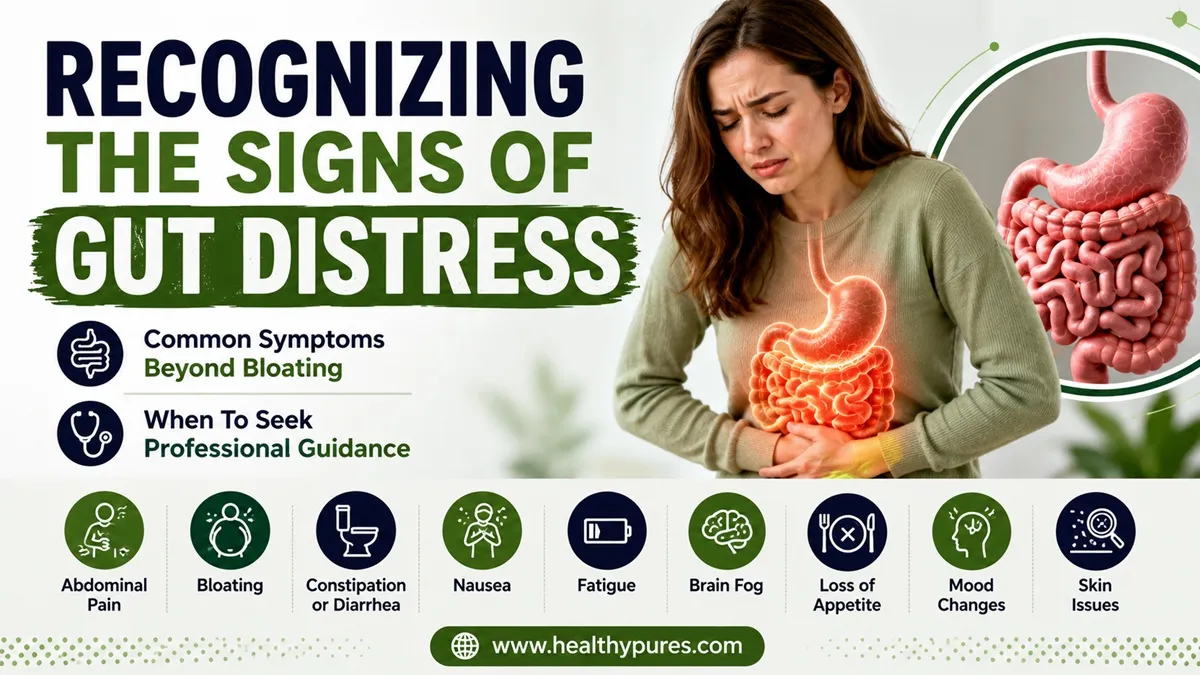
Beyond just bloating, your body often sends other signals that your gut is not functioning optimally. Learning to recognize these can help you address underlying issues proactively.
Common Symptoms Beyond Bloating
Beyond the uncomfortable feeling of a distended abdomen, other digestive symptoms commonly indicate gut distress. These include excessive gas, sharp abdominal pain, and noticeable changes in bowel habits, such as persistent constipation or frequent diarrhea.
Heartburn and acid reflux can also signal an imbalanced gut. These symptoms collectively point to an unhealthy digestive environment, often exacerbated by the worst foods for gut health.
When To Seek Professional Guidance
While occasional bloating is common, persistent or severe symptoms warrant a visit to a healthcare professional. We advise seeking medical guidance if you experience chronic pain, unexplained weight loss, or notice blood in your stool.
These red flags could indicate a more serious underlying condition. Consulting a doctor or a specialist can help identify the root cause of your gut issues and guide appropriate treatment, especially if you suspect the worst foods for gut health are contributing.
My Expert Take: Practical Strategies For A Healthier Gut
As a nutritionist, I’ve seen firsthand how small dietary shifts can bring profound relief. My clinical experience emphasizes that understanding the worst foods for gut health is merely the first step; active replacement and lifestyle adjustments are key.
Incorporating Gut-Friendly Alternatives
To counteract the effects of the worst foods for gut health, focus on integrating gut-friendly alternatives into your daily diet. Fermented foods like kimchi, sauerkraut, and kefir are excellent sources of beneficial probiotics that help rebalance the gut microbiome. We have a helpful guide on 10 Best Gut Healing Foods To Restore Digestion.
Opt for lean proteins such as chicken, fish, and legumes. Incorporate a variety of low-FODMAP vegetables and fruits, which are less likely to cause gas and bloating. Gradually introduce these alternatives to allow your digestive system to adapt, potentially improving your overall gut health.
Mindful Eating And Lifestyle Habits
Beyond dietary changes, mindful eating practices and healthy lifestyle habits significantly impact gut health. Eating slowly and chewing your food thoroughly aids digestion and reduces the amount of air swallowed, minimizing bloating.
Managing stress through techniques like meditation or yoga is also crucial, as stress profoundly impacts the gut-brain axis. Ensure adequate hydration by drinking plenty of water throughout the day, and engage in regular physical activity to stimulate bowel movements and support overall digestive function, counteracting the effects of the worst foods for gut health.
What I Pack In My Own Fridge: Gut-Supportive Choices
Maintaining a healthy gut is a daily practice for me, too. Here’s a peek into the staples I always keep on hand to support my digestive system:
- Organic fermented vegetables like kimchi and sauerkraut for a daily dose of probiotics.
- A variety of colorful, low-FODMAP fruits and vegetables such as berries, spinach, bell peppers, and carrots.
- Quality protein sources, including wild-caught salmon and pasture-raised eggs.
- Gluten-free grains like quinoa and brown rice, and healthy fats from avocados and olive oil.
- Herbal teas, especially peppermint or ginger, for occasional digestive support.
Frequently Asked Questions About Gut Health
Many common questions arise when trying to optimize gut health and reduce bloating. Here are some of the most frequent queries we encounter.
Can Probiotics Help Reduce Bloating?
Yes, targeted probiotic strains can be highly effective in reducing bloating for many individuals. Probiotics help rebalance the gut microbiome by introducing beneficial bacteria, which can compete with gas-producing microbes and improve overall digestive function.
It is important to choose high-quality probiotic supplements with clinically studied strains or incorporate probiotic-rich foods like kefir and fermented vegetables into your diet to combat the effects of the worst foods for gut health.
How Long Does It Take To See Gut Health Improvements?
The timeline for experiencing gut health improvements varies significantly among individuals, depending on the severity of their initial issues and consistency of dietary changes. Many people notice subtle positive changes within a few weeks of eliminating the worst foods for gut health and adopting a more gut-friendly diet.
Significant and lasting improvements often take several months of consistent effort. Patience and persistence are key when working towards a healthier gut and reducing bloating.
Are There Any Good Foods For Reducing Bloating?
Absolutely, several foods are known for their natural anti-bloating properties. Ginger, for instance, has potent anti-inflammatory effects and aids digestion by stimulating digestive enzymes. Peppermint tea can relax the digestive muscles, alleviating gas and cramps.
Fennel seeds, pineapple, and papaya also contain enzymes that assist in breaking down food and reducing gut discomfort. Incorporating these into your diet can actively help combat bloating caused by the worst foods for gut health.
The Nutritionist Verdict
Eliminating the worst foods for gut health is a powerful first step toward digestive comfort and overall well-being. While individual sensitivities vary, highly processed items, certain dairy, gluten, high-FODMAP foods, and sugary beverages are common culprits. Focus on whole, unprocessed foods, listen to your body, and implement mindful eating practices to cultivate a thriving gut. Making these informed choices can significantly reduce bloating and improve your quality of life.
What specific changes have you made to your diet that have significantly reduced your bloating? Share your experiences in the comments below!
A Quick Note From Us: This article is just for sharing helpful health tips and information, not medical advice. Because everyone’s body is different, please chat with your doctor or a nutritionist before making any big changes to your diet. Stay healthy! (You can also read our full Medical Disclaimer here).

